Stepping into leadership for the first time is humbling, nerve-racking, and full of lessons you can only learn by doing (especially when you’re doing it all for the first time, like me).
I started working right out of college. I kept my head down, worked hard, and when the opportunity quickly came, I rose to the next level. That’s when I realized leadership isn’t just a promotion. It’s a whole new skill set you have to build from scratch. You’re not just the group leader on a school project anymore. You are so. much. more.
The Promotion Moment
The shift from being part of a team to leading a team was like being picked up by a tornado. I was not in Kansas anymore. Going from lunch buddy to decision-maker was awkward at first. I ended up having plenty of chats with other managers (even my boss) to get guidance, inspiration, and advice.
What I really appreciated about becoming a manager was having the opportunity to build some of my team from scratch. I interviewed, hired, and trained most of my employees. Our team dynamic was unique, with people from all kinds of backgrounds, personalities, and work styles.
As I navigated being a leader for them, I learned that I set the tone for my team. I had to lead by example and be a mentor, even at the young age of twenty-four. No matter your age or background, you were chosen to be manager for a reason and it’s your responsibility to act like one!
Being a leader doesn’t change your worth; it only changes your perspective. Don’t look down on people… look out for them.
The Real Lessons
School teaches you management theory, but not how to navigate a bad day, a burned-out employee, or your own self-doubt. You’ll learn what not to do, like micromanaging, but experience teaches you what leadership really requires:
- Managing multiple personalities.
- Handling interpersonal conflict respectfully.
- Recognizing and preventing burnout (your own and your team’s).
- Delegate and managing expectations wisely.
- Leading with empathy and emotional intelligence.
- Communicating clearly (especially when things get hard).

It’s important to have consistent 1:1 check-ins with your team to learn who they are as workers and what their “motivators” are. You’re their biggest supporter. If you can make their job easier, they’ll make your job easier.
The Hardest Parts
You will be misunderstood sometimes. Not every decision will be popular and that’s okay.
You will be lonely sometimes. You go from being part of the group to the person people turn to with their problems. Not everyone checks in on you.
You will second-guess yourself…often. Even confident leaders wonder, “Am I doing this right?” It’s okay to ask for help.
Holding your boundaries. The same people who loved you as a peer might test you as a boss. Use this as a challenge to respect yourself and your limits. Be an inspiration for your team that respect goes both ways.
You will have to manage up, too. Leadership is not just managing your own team, it’s also communication with upper management and advocating for your people.
You cannot pour from an empty cup. Taking care of yourself is part of leading well. Just because you’re a manager now doesn’t mean you have to sign your life away to the job. Take vacations, work hard, and play harder. Show your team that a healthy work/life balance is possible.
The Responsibility of Example
You are the example for your team. Your employees reflect your energy, attitude, and standards for better or worse. If you start to spiral, they will mirror it. But if you show patience, integrity, and composure, they will follow your lead too.
Being a boss isn’t about bossing people around. It’s about taking responsibility for actions, quality, and decisions. Leadership goes far beyond a simple group presentation, and it’s not about having all the answers.
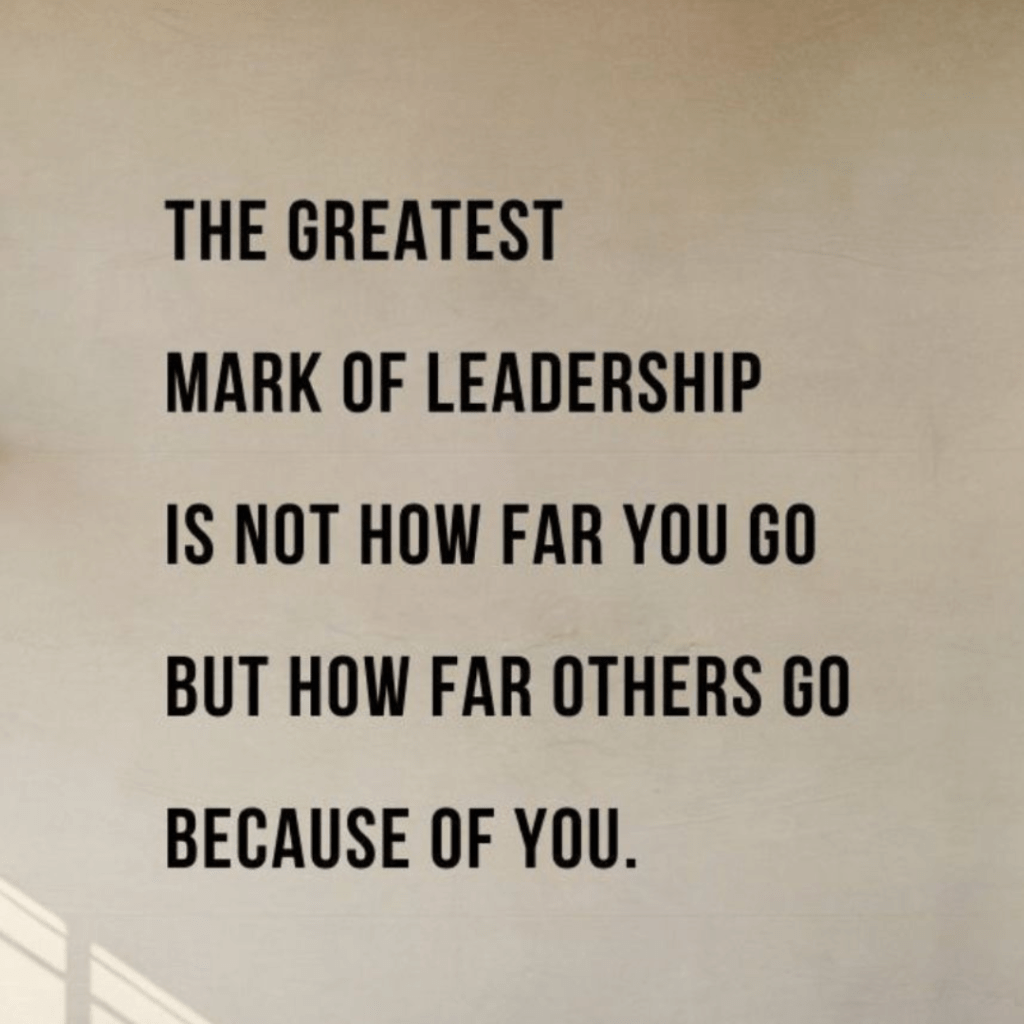
Leadership is about being the person who listens, learns, and lifts others up along the way. Don’t be perfect, just be present.
Stay tuned for Part Two, where I share what it’s really like managing a team across different age groups.
Until next time,
Callie
Comment below: What’s one thing you’ve learned about leadership that no one warned you about?

 Nine to Thrive.
Leave a reply to Part Two: Understanding A Multigenerational Team – Nine to Thrive. Cancel reply